
The Real Recovery Timeline After Rotator Cuff Surgery Nobody Prepares You For
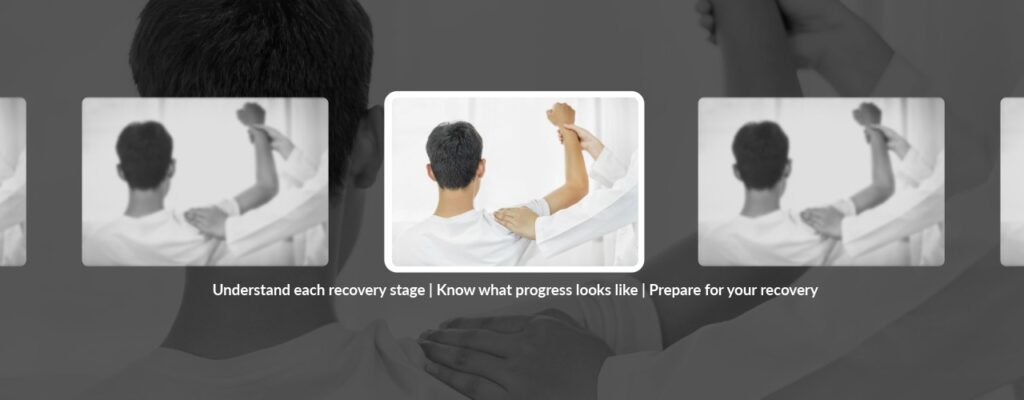
If you are preparing for shoulder surgery, you have probably wondered what recovery will really be like. The truth is that the rotator cuff surgery recovery timeline is different for everyone, but one thing is true for almost every patient: healing takes patience. While surgery repairs the tendon, physical therapy helps you safely regain movement, strength, and confidence over time.
Care Starts with a Conversation
Your first visit after surgery is about more than checking your shoulder. Your physical therapist wants to understand how you are feeling, what your surgeon has recommended, and what activities you hope to return to.
This conversation helps your therapist create a plan that matches your needs and keeps your recovery moving in the right direction.
What The Rotator Cuff Surgery Recovery Timeline Looks Like
Many people expect to feel “back to normal” within a few weeks. In reality, recovery happens in stages because your repaired tendon needs time to heal before it can safely handle more activity. Here is what most people can expect:
Early Healing
During the first stage, the focus is on protecting the repaired tendon. You may wear a sling, manage swelling, and begin gentle movements as directed by your surgeon and physical therapist.
The goal is to allow healing while preventing unnecessary stiffness.
Restoring Movement
As healing continues, your therapist gradually helps you improve shoulder motion. You will work on moving your arm safely without placing too much stress on the repair.
Simple daily activities often become easier during this stage.
Building Strength
Once your shoulder is ready, strengthening begins. This happens gradually because the muscles need time to support the healing tendon.
You may notice better control with reaching, lifting light objects, and using your arm throughout the day.
Returning to Everyday Life
The final stage focuses on helping you return to work, hobbies, sports, or other activities that are important to you. Your therapist continues to monitor your movement and makes adjustments as your shoulder improves.
Every person’s rotator cuff surgery recovery timeline is unique. Age, overall health, the size of the tear, and following your rehabilitation plan can all influence your progress.
Building Your Personalized Care Plan
No two shoulder injuries are exactly alike, so rehabilitation should never be one size fits all. Your physical therapist creates a treatment plan based on:
- Your surgery and medical history
- Your current movement and strength
- Your daily activities
- Your personal goals
As your shoulder heals, your treatment plan changes with you. Each stage builds on the progress you have already made while helping reduce the risk of reinjury.
What Your Practical Sessions Will Look Like
Physical therapy visits are designed to help you recover safely and steadily. Depending on where you are in healing, your sessions may include:
- Guided stretching to improve shoulder movement
- Gentle hands-on techniques to reduce stiffness
- Strengthening exercises as healing allows
- Coaching on healthy movement patterns
- Education about protecting your shoulder during daily activities
Throughout your rotator cuff surgery recovery timeline, your therapist watches how your shoulder responds and adjusts your care as needed.
Empowering Your Home Management Strategies
Your recovery does not stop when you leave the clinic. Your therapist may recommend simple strategies such as:
- Following sling instructions carefully
- Changing positions regularly to reduce stiffness
- Avoiding activities that place too much stress on the shoulder
- Using proper body mechanics during everyday tasks
These small habits help support healing between therapy visits.
Benchmarks of Your Physical Progress
Recovery is about more than simply reducing pain. Positive signs of progress may include:
- Moving your shoulder more comfortably
- Sleeping better
- Reaching overhead with greater confidence
- Performing daily activities with less difficulty
- Building strength for work, recreation, or sports
Remember that progress is rarely perfectly steady. Some days will feel easier than others, and that is a normal part of the rotator cuff surgery recovery timeline.
Taking Your First Step Toward Lasting Relief
Recovering from rotator cuff surgery takes time, but you do not have to go through it alone. At Amber Hill Therapy Centers, your first visit is a friendly conversation about your surgery, your goals, and your concerns. After a thorough evaluation, we will create a personalized plan to help you move safely through each stage of recovery.
Contact Amber Hill Therapy Centers today to schedule your evaluation and begin your recovery with confidence!