

Fall Prevention: How Physical Therapy Can Help Maintain Stability
Staying steady on your feet can help you remain active and independent. Fall prevention focuses on finding risks early and building the skills your body needs for safe movement. Small changes in strength, balance, or walking can matter more than you may realize.
We’re Hiring
Interested in joining Amber Hill Therapy Centers? Visit our careers page to see current openings.
Identifying Common Physical Risk Factors
Falls rarely have just one cause. Several small changes may work together to make everyday movement less steady.
Common physical risk factors include:
- Weakness in the hips and legs can make standing, walking, and climbing stairs harder.
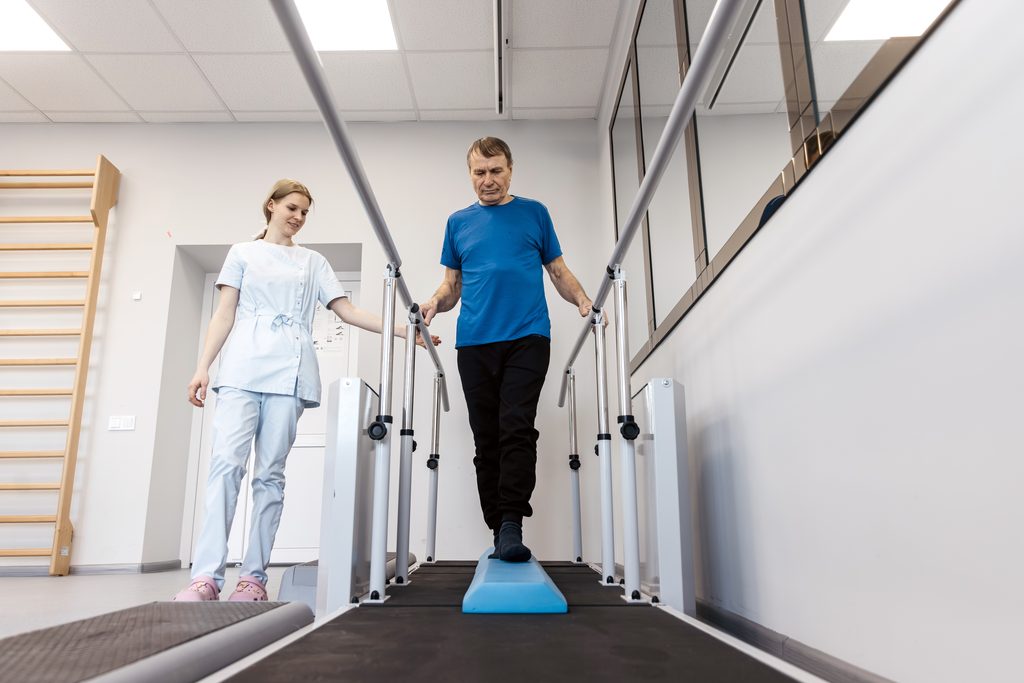
- Changes in balance can make it harder to stay steady on uneven ground or during quick movements.
- Shorter steps, slower walking, or shuffling may affect your ability to move safely.
- Joint pain or stiffness from arthritis or recovery after surgery may change how you move.
- Loose rugs, poor lighting, clutter, and slippery surfaces can add risk.
Fall prevention starts well before a fall happens. Amber Hill Therapy Centers helps adults build the strength and stability that keeps them confidently on their feet. Book your evaluation today.
The Early Signals That Balance and Stability Are Declining
Balance changes can be easy to dismiss at first. You may start reaching for furniture while walking through a room. You might feel less sure on stairs or uneven ground.
Other signs include avoiding certain activities or needing more focus while walking. You may also notice trouble getting up from a chair or changing direction quickly.
These changes do not mean a fall is certain. They can be useful signals that your body may need more support.
A Practical Fall Prevention Framework for Adults Who Want to Stay Independent
A good fall prevention plan looks at your movement, your daily habits, and your surroundings. Simple choices can help create safer conditions for staying active.
- Keep moving regularly. Daily activity helps maintain strength, coordination, and confidence.
- Work on leg strength. Strong legs support standing, walking, and other daily tasks.
- Practice balance safely. Appropriate balance activities can help your body respond to changes in position.
- Wear supportive shoes. Shoes that fit well can provide a more secure base for movement.
- Keep walking areas clear. Remove clutter and secure items that could become tripping hazards.
- Improve lighting. Good lighting can make changes in flooring and other obstacles easier to see.
- Use handrails when needed. Stable support can make stairs and other challenging areas safer.
- Avoid rushing. Taking your time when standing or changing direction may improve control.
- Pay attention to changes. New trouble with balance or walking deserves attention rather than being ignored.
These habits are useful parts of fall prevention. However, general advice cannot identify every personal risk.

What a Proactive Movement Assessment Looks For
A physical therapist can examine how your body handles common movement tasks. This helps identify problems that may be difficult to notice on your own.
At Amber Hill Therapy Centers, an assessment may look at:
- Lower body strength and how well your muscles support movement.
- Balance function during standing and changes in position.
- Walking quality and how your steps change during different tasks.
- Reaction and movement control when your body needs to adjust.
This information helps make fall prevention more specific to your needs. It can also show which abilities are already strong and which ones may need more attention.
Transitioning from Prevention to Active Care
Sometimes lifestyle changes alone are not enough. Physical therapy can provide more focused care when weakness, poor balance, pain, or walking problems are affecting daily life.
Your therapist may use strengthening exercises, balance training, walking practice, and functional movement activities. Manual therapy may also be appropriate when pain or limited joint movement affects how comfortably you move.
Your plan should match your current abilities and goals. Activities can then be adjusted as your movement changes.
Knowing When to Partner with a Professional

Consider a professional assessment if you feel increasingly unsteady or have started limiting activities because you are afraid of falling. It is also wise to seek help if you frequently stumble, rely more on walls or furniture, or notice a clear change in your walking.
New dizziness, fainting, sudden weakness, or other sudden changes may need prompt medical attention. A physical therapist can also work with other health care providers when another medical issue may be affecting your stability.
Proactive care gives you a chance to address movement problems before they limit the life you want to lead. The goal is to help you move with greater safety, confidence, and control.
Independence is worth protecting. Amber Hill Therapy Centers provides the clinical tools and personalized plan to help you do exactly that. Reach out to arrange your assessment.
Working Out With Arthritis: Tips from Our PTs
Since skipping physical activity can worsen arthritis symptoms, you’re probably wondering how to keep moving safely. Don’t worry: the team at Amber Hill Therapy Centers is here to help!
Your first step is to schedule an appointment with us. It’s essential that you have a clear idea about which activities you can safely participate in without putting too much pressure on your joints. We can also work with you to strengthen any muscular imbalances and generally get you ready to get moving.
We can also share which activities are suitable for people with arthritis. You want to select low-impact workouts that go easy on the joints. Most importantly, however, whatever you choose should be fun.
Why? Because the more fun you’re having, the more likely you are to keep doing it!
Physical Therapist-Approved Exercise Ideas
Once you’ve been cleared to start a new exercise program, here are some ideas from our PTs to get you started:
- Walking, either outside (preferably on a dirt trail) or inside on a treadmill
- Golf
- Cycling
- Swimming
- A customized exercise program at Amber Hill Therapy Centers
If you have any questions about working out with arthritis, don’t hesitate to call us! Our team is happy to guide you through the process.

Exercise of the Month
One Leg Balance
(Ankles, Core, Balance)
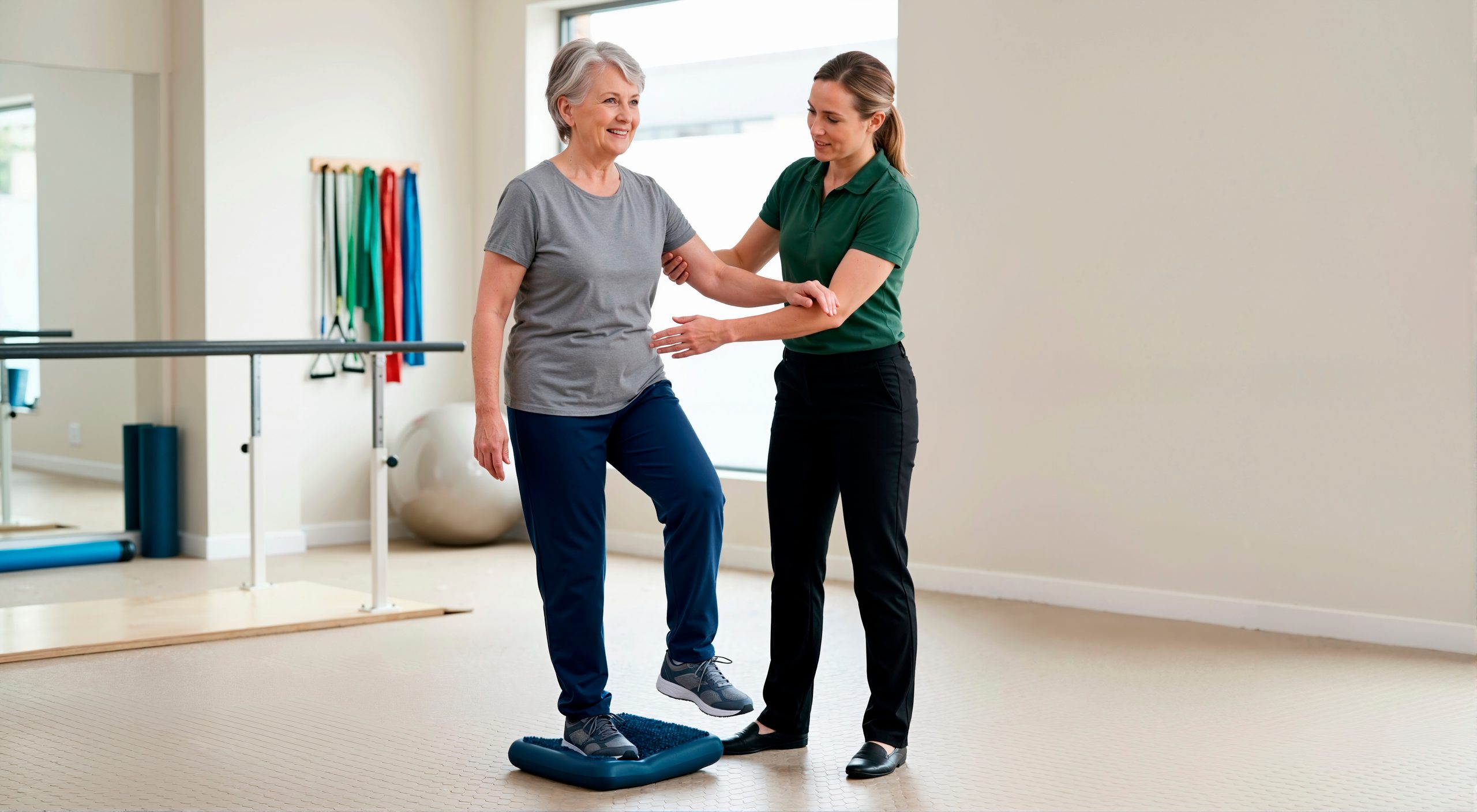
Single-leg balance is essential for improving stability and walking (gait), as we briefly stand on one leg with every step. Strengthening this position can help reduce fall risk and improve confidence with movement. Stand with your hands on the back of a chair, countertop, or wall for support. Slowly lift one foot so your weight is on the opposite leg. Keep your posture tall and steady. Hold for 20–30 seconds and gradually increase time as your balance improves.
2 Sets, 1 Rep (each side)
(Materials needed: chair)

Recipe of the Month:
Creamy Butter Chicken
A deliciously mild spice dish that is easy to put together this Creamy Butter Chicken is a recipe that is full of flavor and one that you will want to make over and over.
Ingredients
- 2 Tablespoons oil
- 1 1/2-2 pounds chicken breasts cut into pieces
- 6 Tablespoons butter
- 1 small onion finely diced
- 2 Tablespoons minced garlic
- 2 Tablespoons grated fresh ginger
- 1 Tablespoon garam masala
- 1 teaspoon turmeric
- 1 teaspoon smoked paprika
- 1 teaspoon chili powder
- 1 teaspoon salt
- 15 ounce can diced tomatoes undrained
- 6 ounce tomato paste
- 1 cup chicken broth
- 1 cup heavy cream
- ¼ cup chopped cilantro optional
Instructions
- Heat oil in a large skillet over medium high heat. Add chicken and stir to cook until done, about 5 to 7 minutes. Remove from skillet and set aside.
- Melt butter in the same skillet, then add the onion, garlic and ginger. Cook until onions are translucent, about 3 to 5 minutes.
- Add the garam masala, turmeric, smoked paprika, chili powder and salt and mix well, cooking about a minute to let the flavors meld together.
- Add the diced tomatoes, tomato paste and chicken broth and return the cooked chicken to the skillet. Bring to a boil, then lower heat and simmer uncovered 10 to 15 minutes, until sauce has thickened.
- Remove from heat and stir in the heavy cream and cilantro.
- Serve over rice, if desired.