


The Key to Mastering Shoulder Pain and Posture
Many adults feel aching, stiffness, or sharp discomfort around the shoulder but do not recognize how body position affects these symptoms. Poor alignment changes how the shoulder blade moves, which increases strain on the joints, tendons, and muscles. Understanding the connection between posture and shoulder pain helps adults correct daily habits and support healthier, more comfortable shoulder motion. This list highlights the key factors that influence posture and how physical therapy helps improve them.


1. Forward Head Position Increases Shoulder Tension
When the head shifts forward, the upper back and neck muscles work harder to support it. This strain travels down to the shoulder blade, creating tightness and discomfort. Physical therapists teach alignment strategies that help the head stay balanced over the shoulders. Improving this position helps alleviate tension associated with posture and shoulder pain.
2. Rounded Shoulders Limit Natural Shoulder Blade Movement
Rounded shoulders pull the shoulder blades forward, which limits the space the arm needs to move comfortably. This restriction increases friction on tissues in the front of the shoulder. Physical therapy includes strengthening the upper back muscles that pull the shoulder blades into a healthier position. This change helps restore natural motion and reduces irritation.
3. Weak Upper Back Muscles Reduce Shoulder Stability
The upper back muscles support the shoulder blade during lifting, reaching, and carrying. When these muscles weaken, the shoulder loses its foundation. This weakness increases strain on sensitive tissues. Strengthening the upper back enhances stability and plays a crucial role in maintaining proper posture and alleviating shoulder pain.
4. Tight Chest Muscles Pull the Shoulders Forward
Long periods of sitting or leaning forward shorten the chest muscles. This tightness affects posture by pulling the shoulders inward. When the chest muscles tighten, the shoulder muscles must work harder to lift the arm. Physical therapy uses stretching and mobility work to loosen these tissues and restore balance to the upper body.
5. Limited Upper Back Mobility Increases Shoulder Stress
The upper back must rotate and extend during daily movement. When this area becomes stiff, the shoulder compensates by moving more than it should. These compensations add stress to the joints and tendons. Physical therapists use targeted mobility exercises that restore upper back movement, which helps reduce tension throughout the shoulder.
6. Poor Sitting Habits Increase Shoulder Load
Many adults slump during computer work or long drives. This posture increases strain on the shoulder blades and neck. Over time, this strain leads to irritation and discomfort. Physical therapists teach simple posture resets and seated alignment strategies that help reduce the stress linked to posture and shoulder pain.
7. Weak Core Muscles Affect Upper Body Alignment
Core strength supports the spine and helps maintain a stable posture. When the core weakens, the upper body leans forward or twists during daily tasks. These changes increase pressure on the shoulders. Strengthening the core helps support the spine and encourages healthier alignment throughout the day.
8. Repetitive Overhead Tasks Strain Poor Alignment Patterns
Overhead reaching, lifting, or work tasks become more stressful when posture is misaligned. The shoulder blade cannot rotate properly when the upper back or neck becomes stiff. Physical therapy teaches safer, more efficient movement patterns that protect the shoulder during these tasks.
9. Long Sitting Periods Reduce Blood Flow and Increase Stiffness
Sitting without movement leads to stiffness in the neck, upper back, and shoulders. This stiffness increases discomfort when adults return to daily activities. Physical therapists recommend short movement breaks that help maintain flexibility and reduce the strain caused by stillness.
10. Compensation Patterns Quietly Make Pain Worse
When posture becomes misaligned, the body finds new ways to move around discomfort. These compensations change how the shoulder blade moves and increase stress on irritated tissues. Physical therapy identifies these patterns and teaches healthier, controlled movement that supports long-term shoulder comfort.
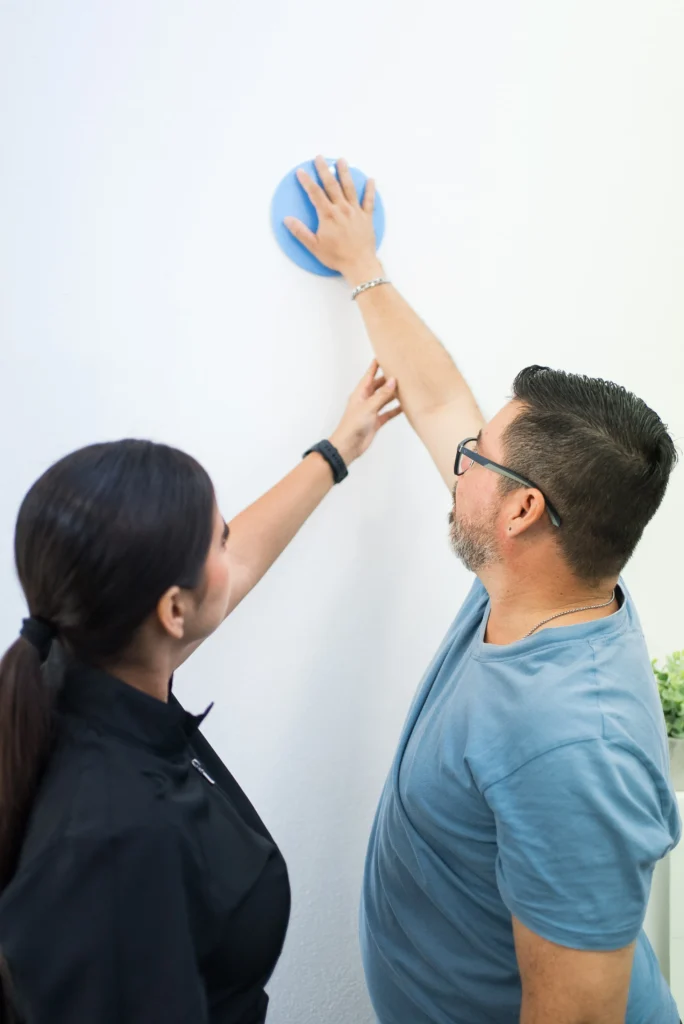
How Physical Therapy at Amber Hill Therapy Centers Helps Restore Comfortable Shoulder Motion

Physical therapy combines strengthening, posture training, mobility exercises, and manual techniques to improve alignment and reduce strain. Therapists help adults understand which posture habits influence their symptoms and teach strategies that support smoother movement. With consistent practice, adults can learn to control the factors that contribute to poor posture and shoulder pain.
Find Support for Shoulder Comfort at Amber Hill Therapy Centers
At Amber Hill Therapy Centers, physical therapists help adults understand how posture affects shoulder function and provide personalized plans that improve strength, mobility, and alignment. If posture or shoulder discomfort is affecting your daily routine, contact Amber Hill Therapy Centers today to start a supportive and effective recovery plan.
Exercise of the Month
Dumbbell Shoulder Press
(Shoulders, Upper Arms)
Stand tall with a dumbbell in each hand, elbows bent, and weights held at shoulder height with palms facing forward. Press both dumbbells overhead until your arms are fully extended. Pause briefly at the top, then slowly lower the weights back to shoulder height.
3 Sets, 10 Reps
(Materials needed: dumbbells)

Recipe of the Month:
Grilled Salmon with Peach Salsa
Ingredients
- 2 salmon fillets (about 6 oz each)
- 1 tbsp olive oil
- Salt, black pepper, and a pinch of smoked paprika
- 1 large ripe peach, pitted and diced
- ¼ cup red bell pepper, finely chopped
- ¼ cup red onion, finely diced
- 1 tbsp fresh jalapeño, minced (seeds removed for less heat)
- 2 tbsp fresh cilantro, chopped
- Juice of 1 lime
Instructions
- Prep the salsa: In a medium bowl, combine the diced peach, bell pepper, red onion, jalapeño, cilantro, and lime juice. Toss gently, season with a pinch of salt, and set aside so the flavors can meld.
- Season the salmon: Pat the salmon fillets dry with a paper towel. Rub them with olive oil, then season evenly with salt, pepper, and smoked paprika.
- Grill (or sear): Heat a grill or a stovetop skillet over medium-high heat. Cook the salmon skin-side down for about 4-5 minutes until the skin is crispy. Flip and cook for another 3-4 minutes, or until the fish flakes easily with a fork.
- Plate and serve: Transfer the cooked salmon to plates and spoon a generous mound of the fresh peach salsa right over the top.